Is Electronic Signature Legally Binding?
A supplier is ready to sign. HR needs an employment contract back today. Finance wants approval on a purchase agreement before close of business. The practical question is always the same: is electronic signature legally binding, or are you taking a risk by moving away from paper?
For most business documents in Europe, the short answer is yes. Electronic signatures can be legally binding. But the more useful answer is that legal validity depends on context – what you are signing, how the signature is created, what evidence you keep, and whether the level of assurance matches the risk of the transaction. That is where many teams get caught out.
Is electronic signature legally binding in the EU?
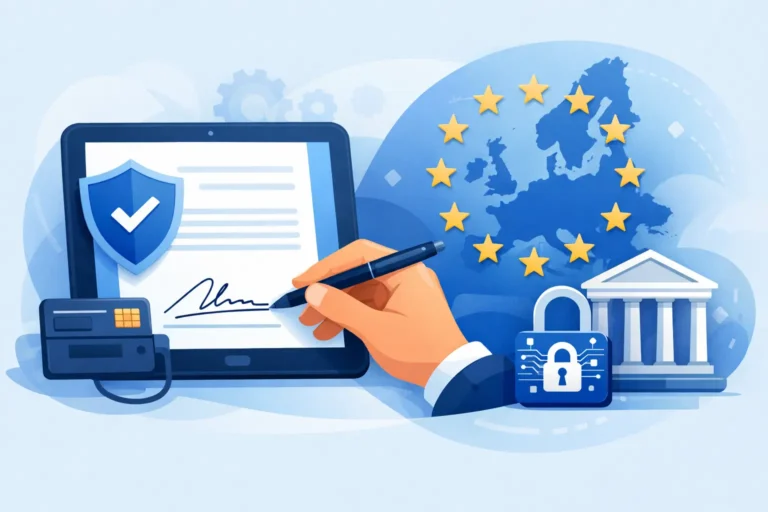
Under the eIDAS Regulation, electronic signatures are recognised across all EU member states. That matters because it gives businesses a common legal framework instead of a patchwork of national assumptions about digital signing.
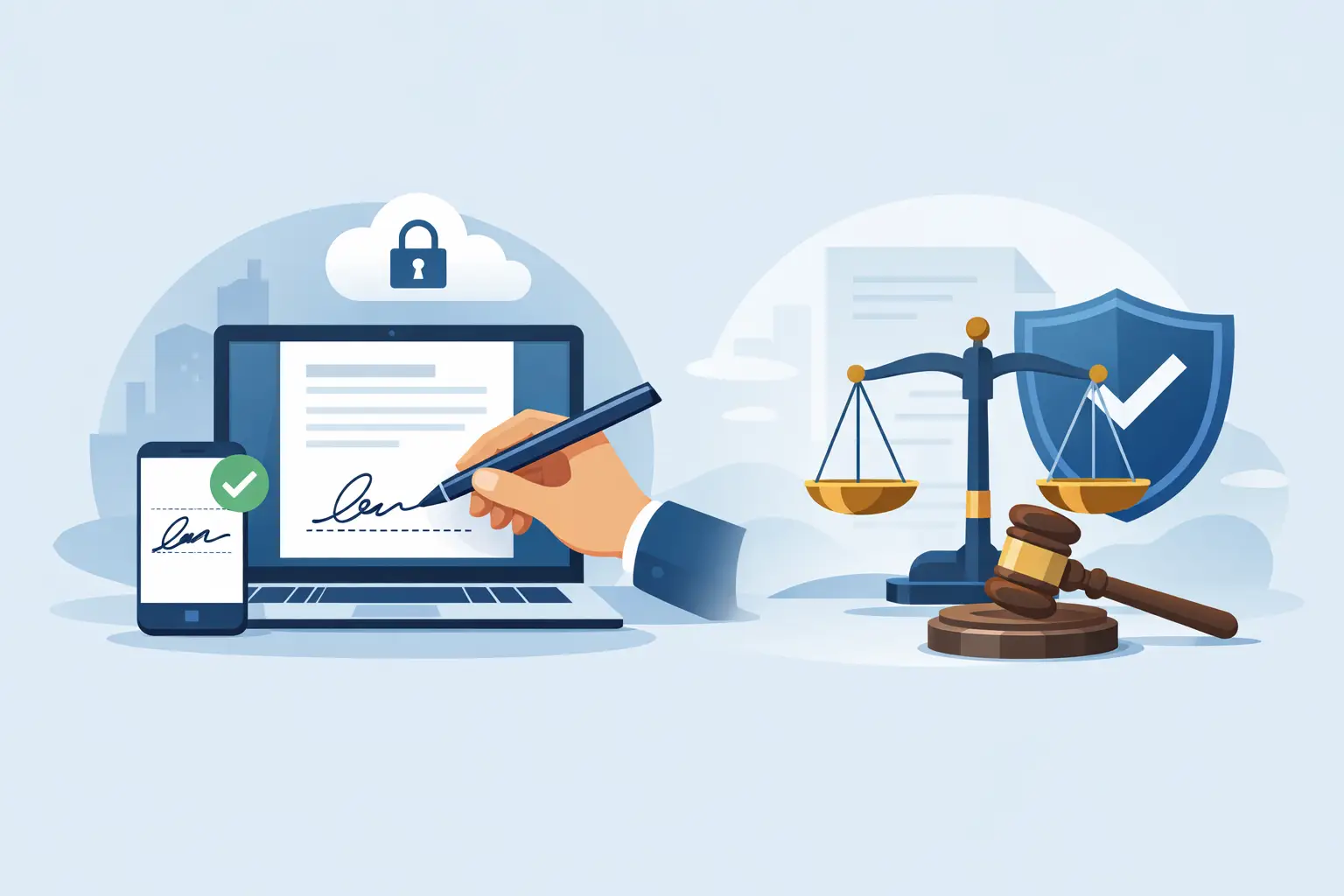
eIDAS does not say that every electronic signature carries the same evidential weight. It says electronic signatures cannot be denied legal effect simply because they are electronic. In other words, a signature is not invalid just because it was made online rather than with pen and paper.
That is an important distinction. Legal recognition is not the same as automatic suitability for every document. If your team handles routine approvals, sales contracts, onboarding paperwork or service agreements, an electronic signature will often be perfectly appropriate. If you are dealing with a higher-risk transaction, regulated process or a document likely to be disputed, you may need a stronger form of signature and better supporting evidence.
The three signature levels businesses need to understand
The easiest way to think about this is in terms of assurance.
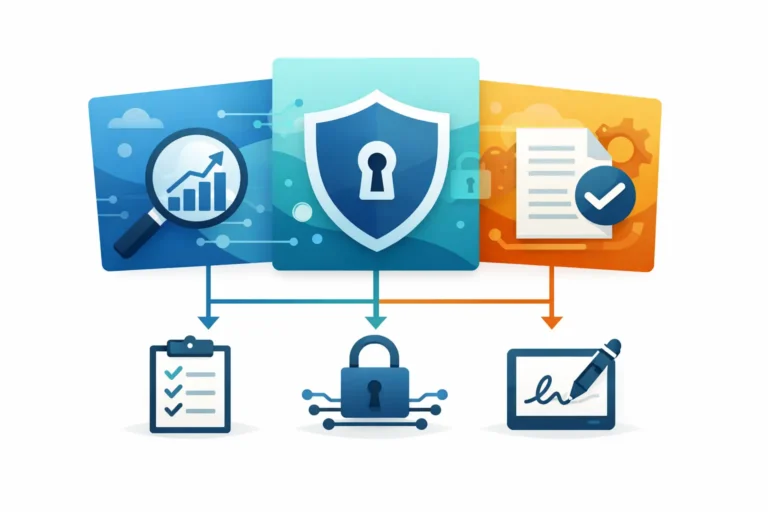
Simple Electronic Signature
A Simple Electronic Signature, or SES, is the broadest category. It can include typing a name, clicking to sign, drawing a signature on screen or applying a scanned signature image. It is quick and widely used for low-risk workflows.
SES can be legally binding, but if a document is challenged later, the person relying on it may need to do more work to prove who signed and what happened at the time.
Advanced Electronic Signature
An Advanced Electronic Signature, or AES, gives you more evidential strength. Under eIDAS, it must be uniquely linked to the signer, capable of identifying them, created using signature creation data under their control, and linked to the signed data in a way that reveals later changes.
For many growing businesses, this is the sensible middle ground. It adds stronger security and traceability without pushing every workflow into enterprise-style complexity or cost.
Qualified Electronic Signature
A Qualified Electronic Signature, or QES, is the highest level. It is an advanced electronic signature backed by a qualified certificate and created using a qualified signature creation device. Under eIDAS, a QES has the equivalent legal effect of a handwritten signature across the EU.
That does not mean every document requires QES. It means QES is the strongest option when the legal stakes are higher, the regulatory bar is stricter or a cross-border process needs maximum certainty.
When an electronic signature is usually enough
Most businesses do not need the highest assurance level for every document. In practice, electronic signatures are commonly used for employment contracts, NDAs, sales agreements, service contracts, supplier paperwork, internal approvals, onboarding packs and standard policy acknowledgements.
The real question is not whether digital signing is allowed. It is whether your signing method is proportionate. If you use a basic method for a low-risk internal form, that may be entirely reasonable. If you use the same basic method for a sensitive regulated agreement with a likely chance of dispute, that is less defensible.
This is why operations, legal and compliance teams should think in terms of document categories, not one-size-fits-all signing. A sensible policy usually separates routine documents from higher-risk ones and assigns the right signing level to each.
What actually makes an electronic signature hold up?
If a document is ever challenged, the signature itself is only part of the story. What matters is the evidence around it.
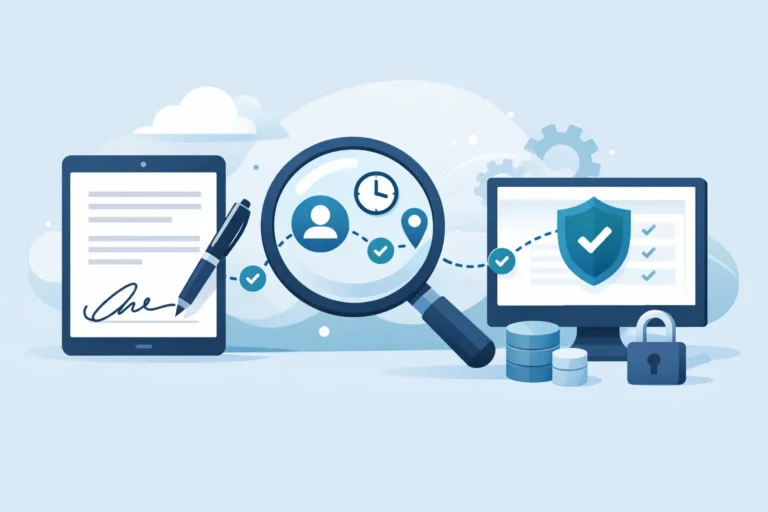
A stronger digital signing workflow usually records who received the document, who opened it, which email address or verified identity was used, when the signature was applied, the IP address, the timestamp, and whether the document changed afterwards. An audit trail is often what turns a basic digital action into something your business can actually rely on.
That is why platform choice matters. A PDF with a pasted signature image may look signed, but appearance is not the same as legal defensibility. By contrast, a structured e-signature workflow with signer authentication, tamper evidence and a complete audit trail gives you a much clearer record if questions arise later.
For teams dealing with recurring contracts and approvals, consistency helps too. If every document follows the same controlled process, you reduce the risk of ad hoc shortcuts that weaken your evidence.
Situations where it depends
There is no honest way to answer this topic without saying it depends in some cases.
Some documents are subject to national formalities or sector-specific rules. Certain high-value transactions, real estate documents, court-related filings, notarised acts or documents requiring a particular statutory form may need more than a standard electronic signature workflow. Some may require QES. Some may need additional local legal steps. The rule is not universal.
That does not make electronic signatures unreliable. It simply means that legal validity sits within a framework. The signing method should match the legal and commercial risk of the document.
For businesses operating across multiple EU countries, this is especially relevant. eIDAS creates a strong baseline, but local law can still affect form requirements for specific document types. If you have a narrow use case with significant legal consequences, it is worth checking the exact requirement before standardising the workflow.
Why compliance teams often prefer stronger controls
The attraction of digital signing is speed. The risk is treating speed as the only goal.
A compliance-first approach asks a different question: if this document is disputed in 18 months, what evidence will we have? That is where advanced signatures, identity verification, secure timestamps and full tracking start to matter. They are not there to make signing feel more impressive. They are there to reduce ambiguity.
This is particularly relevant for HR, finance, legal and procurement teams. These functions manage documents that affect employment status, payment obligations, delegated authority and regulatory accountability. In those contexts, certainty is operational, not theoretical.
A platform built for European compliance should make these controls usable without burying teams in unnecessary configuration. That balance matters. If a system is too heavy, people bypass it. If it is too light, the evidence may not stand up when needed.
Common misconceptions that cause problems
One common misconception is that a handwritten signature is always safer. It is familiar, yes, but familiarity is not the same as proof. A paper signature can also be disputed, forged or detached from its wider context.
Another is that every electronic signature has the same legal value. They do not. The category of signature and the supporting evidence make a difference.
A third is that compliance means complexity. In reality, good signing workflows can be straightforward. If your platform lets you send documents, control signing order, apply templates, track status and keep a clean audit trail, you are already solving most of the operational problem while improving legal certainty.
That is one reason many European businesses are moving towards platforms such as Asignu – not for feature bloat, but for a simpler way to use eIDAS-compliant workflows with the right signature level for the job.
A practical way to decide what you need
If you are reviewing your document process, start by grouping documents by risk and formality. Routine internal approvals and standard business paperwork may suit SES or AES. Contracts with more financial or legal exposure may justify AES as a default. Documents with strict legal form requirements or high evidential sensitivity may call for QES or specific legal review.
Then look at your process controls. Can you prove who signed, when they signed, what version they signed, and whether the document changed afterwards? Can you apply the same process every time? Can your team find the document and its audit trail quickly when needed?
Those questions usually tell you more than abstract debates about whether digital signatures are valid in principle.
Electronic signatures are legally binding in many business scenarios across Europe, but the smart approach is not to ask only whether they are valid. Ask whether your chosen signing method gives your organisation enough certainty for the document in front of you. That is the difference between merely going paperless and building a signing process you can trust.