What Is Qualified Electronic Signature?
If a contract has to stand up to close legal scrutiny, a typed name in a box may not be enough. That is usually the point where teams start asking, what is qualified electronic signature, and whether they actually need one for their documents.
A qualified electronic signature, usually shortened to QES, is the highest assurance level of electronic signature under the EU eIDAS framework. It is designed for cases where identity certainty, signature integrity and legal reliability matter more than speed alone. For many businesses, that does not mean every document needs QES. It means knowing when the extra assurance is worth it.
What is a qualified electronic signature under eIDAS?
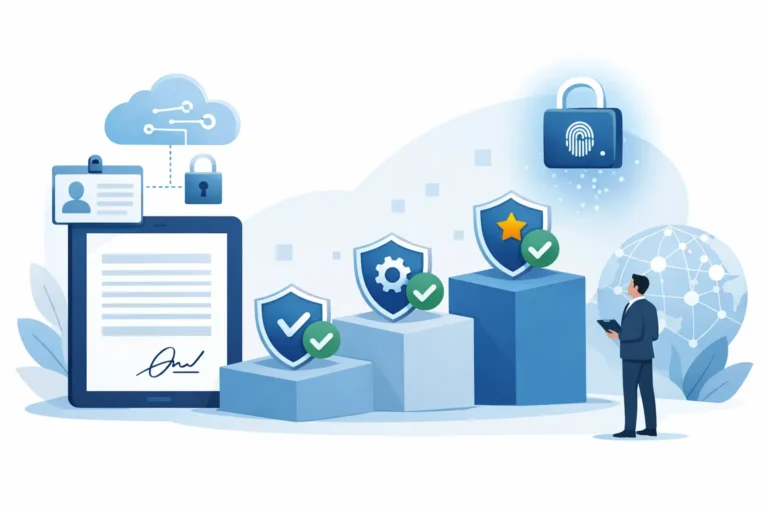
Under eIDAS, electronic signatures are grouped into three broad levels: Simple Electronic Signature, Advanced Electronic Signature and Qualified Electronic Signature. A QES sits at the top of that scale.
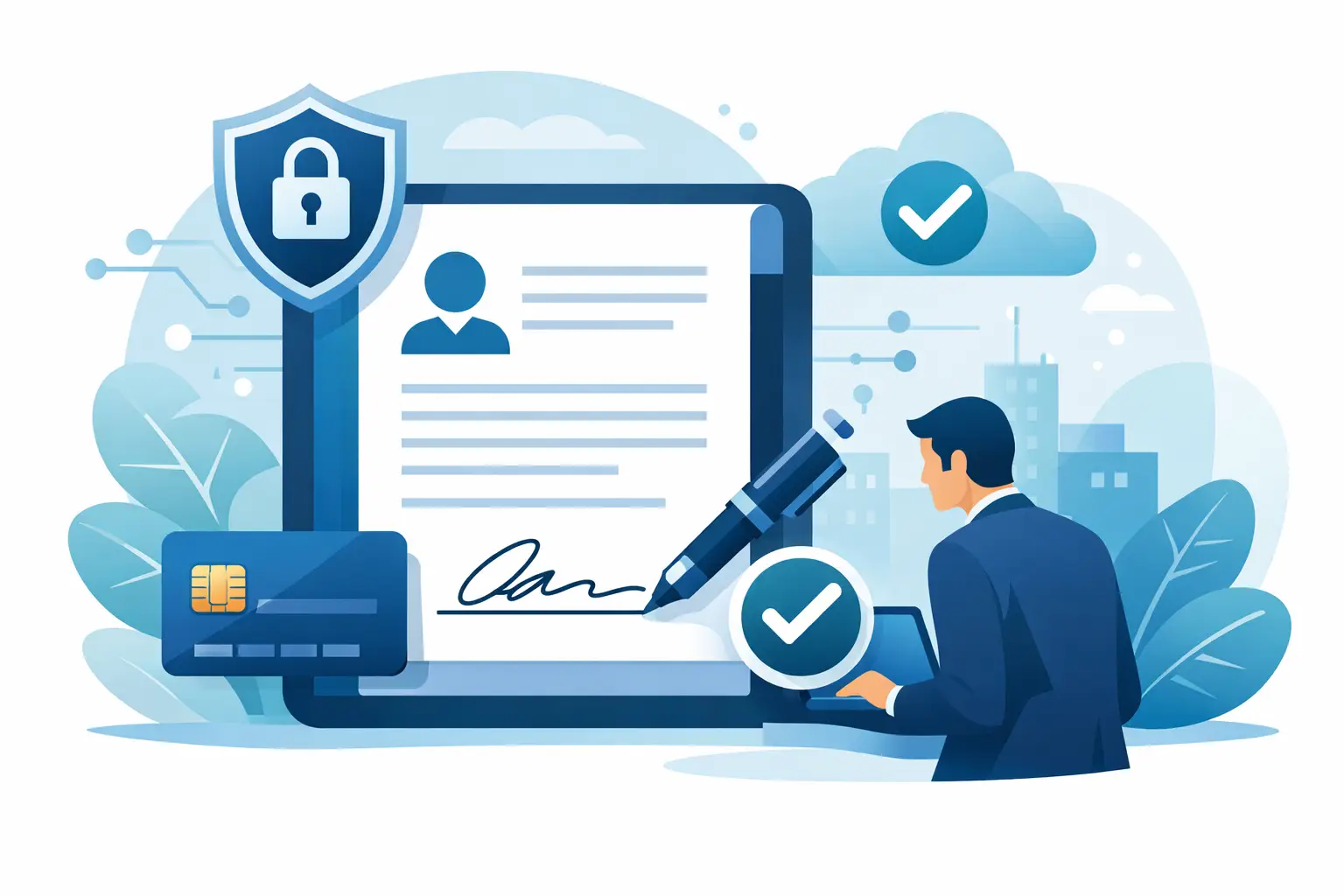
For a signature to count as qualified, it must meet the requirements of an advanced electronic signature and add two more elements. First, it must be created using a qualified electronic signature creation device. Second, it must be based on a qualified certificate for electronic signatures issued by a qualified trust service provider.
That sounds technical because it is. In practice, the point is straightforward: a QES ties the signer’s identity to the signature through a tightly regulated trust framework. It is not just a digital scribble on a PDF. It is a signature backed by verified identity, certified technology and a regulated provider.
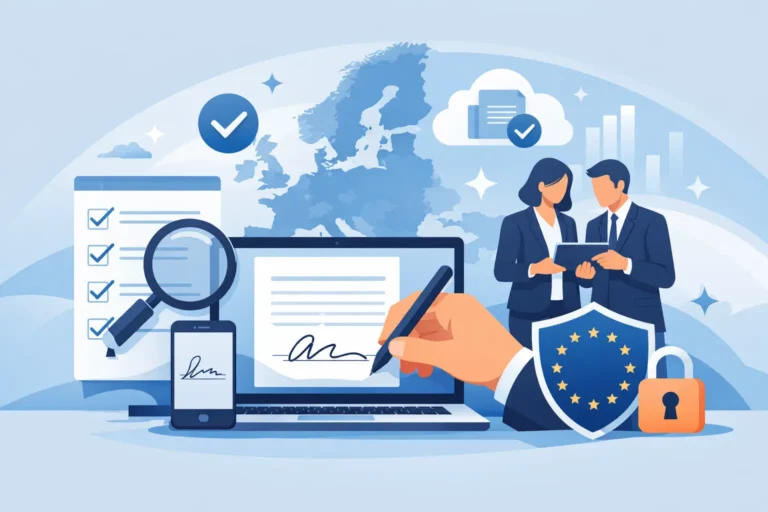
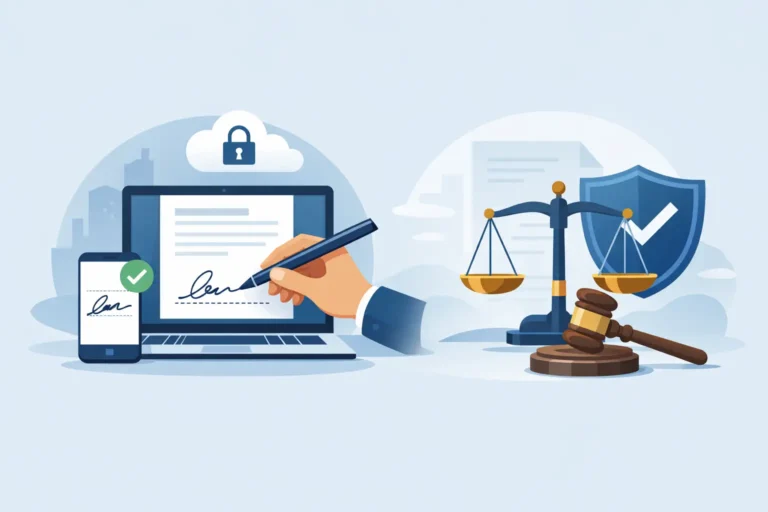
One of the most important legal effects is that a qualified electronic signature has the equivalent legal effect of a handwritten signature across all EU member states. For organisations working across borders, that is often the key reason QES enters the conversation.
How a qualified electronic signature actually works
From a business user’s perspective, QES often looks like a guided signing process with extra identity checks. Behind the scenes, more is happening.
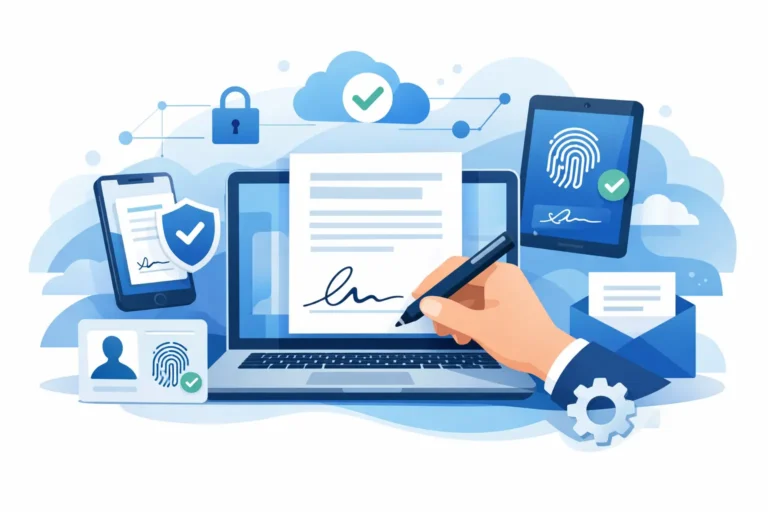
The signer is first identified to the standard required by the qualified trust service provider. Depending on the provider and jurisdiction, this could involve ID document checks, video identification, bank-based verification or another approved method. Once the signer’s identity is validated, the trust service provider issues or uses a qualified certificate linked to that person.
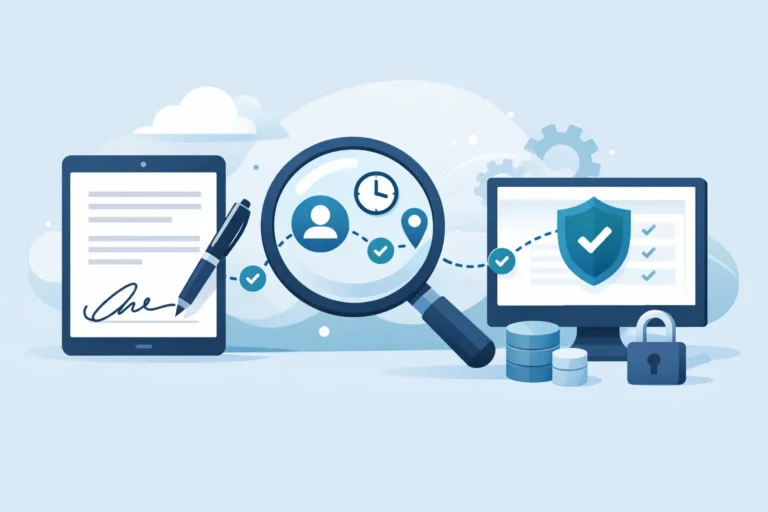
When the document is signed, cryptographic methods are used to bind the signature to the document so that any later tampering is detectable. The certificate confirms who signed, and the trust framework confirms that the method used meets qualified standards.
That combination matters because legal disputes rarely turn on one question alone. It is not only, “Was there a signature?” It is also, “Who signed it?”, “Can the document be shown to be unchanged?” and “Was the signing process trustworthy?” QES is built to answer all three.
When businesses usually need QES
Some teams hear “highest level” and assume they should use it for everything. Usually, that is not the most efficient approach.
QES is most useful where the legal, financial or regulatory stakes are high. Employment documents in some jurisdictions, regulated financial paperwork, formal corporate acts, public sector documentation, and cross-border agreements with strict evidential requirements are common examples. Certain local laws or sector rules may explicitly require a qualified signature or strongly favour it.
But many routine business documents do not need QES. Sales contracts, internal approvals, NDAs, procurement documents and recurring operational paperwork can often be handled perfectly well with SES or AES, depending on the risk level and internal policy.
This is where many SMEs get caught out. They either overpay by applying the highest level everywhere, or they under-specify signatures on documents that need stronger evidence. The right answer is usually document-by-document, not one-size-fits-all.
QES vs AES vs SES
Understanding the difference between the three levels helps avoid both compliance gaps and unnecessary friction.
A Simple Electronic Signature, or SES, is the broadest category. It can be as basic as clicking to accept terms, typing a name or drawing a signature on screen. It may still be legally valid, but the evidence around identity and intent can be limited.
An Advanced Electronic Signature, or AES, adds stronger technical and evidential safeguards. It must be uniquely linked to the signer, capable of identifying them, created using signature creation data under their control, and linked to the signed data so changes can be detected. For many commercial workflows, AES gives a sensible balance of usability and legal strength.
A Qualified Electronic Signature is an AES with the extra qualified certificate and qualified device requirements mentioned earlier. That is why it carries the strongest legal presumption within the eIDAS framework.
For operations teams, the practical difference is this: SES is easiest, AES is stronger and often more than enough, and QES is for the cases where you need the highest level of certainty and formal recognition.
What a qualified electronic signature does not mean
There are two common misunderstandings worth clearing up.
First, QES does not mean every other electronic signature is invalid. That is not how eIDAS works. SES and AES can still be legally enforceable, depending on the context, the evidence available and the national legal framework around the specific document.
Second, QES does not automatically make a bad process good. If the wrong person is asked to sign, if the document version is poorly controlled, or if records are not retained properly, a qualified signature alone will not fix operational weaknesses. Compliance is not just about signature type. It is also about workflow discipline.
The trade-off: certainty versus friction
There is a reason not every platform pushes QES for every signature request. It adds formality, checks and sometimes additional cost. That can be exactly what you want for high-risk documents, but it can slow down lower-risk processes.
For example, if your HR team is issuing standard internal acknowledgements, a full qualified signing flow may create more delay than value. If your legal or finance team is executing a document where identity challenge would create material risk, the extra effort is often justified.
The best signing setup is usually tiered. Routine documents use a lower-friction method with good audit evidence. Sensitive or regulated documents are routed into a stronger workflow, potentially with identity verification and QES where required.
That is why many European businesses look for a platform that supports multiple signature levels rather than forcing every process into the same model.
How to decide whether your business needs QES
Start with the document, not the technology. Ask what would happen if the signature were challenged. Would you need strong proof of identity? Is there a sector-specific rule? Is the document cross-border? Is there a statutory form requirement in the country involved?
Then look at the people and the process. Who is signing? Are they employees, directors, consumers or external partners? How often does this happen? Does speed matter more than legal formality, or is legal certainty the main priority?
Finally, consider the operational side. A good e-signature process should not only produce a signature. It should also create a reliable audit trail, keep documents organised, show status clearly and make repeat workflows easier to manage. That matters whether you use SES, AES or QES.
For growing businesses, this is often where a simpler European platform has an advantage. You need compliance depth, but not enterprise complexity. If you can apply QES only where it is genuinely needed, while keeping everyday signing fast and manageable, you get better control without slowing the whole business down.
Why provider choice matters
Not every e-signature platform delivers the same compliance posture. If QES is relevant to your organisation, you need to look beyond the signing screen.
Check how the provider supports eIDAS-aligned workflows, what type of audit evidence is available, whether identity verification can be added where needed, and how documents are stored and tracked. For many EU businesses, data sovereignty and hosting location also matter, especially where client confidentiality or procurement rules are involved.
Asignu is built for that practical middle ground – straightforward document workflows for SMEs and professional teams, with access to stronger assurance levels such as QES when the process requires them.
What is qualified electronic signature really for?
At its core, QES exists to reduce doubt. It reduces doubt about who signed, whether the document changed, and whether the signature method meets a recognised legal standard across the EU.
That does not make it the default answer for every agreement. It makes it a tool for the moments where doubt would be expensive.
If your business handles regulated, high-value or cross-border documents, understanding QES is not legal trivia. It is part of building a signing process that is clear, defensible and proportionate. The smart move is not to use the strongest method everywhere. It is to use the right level of signature for the risk in front of you.