What Is Advanced Electronic Signature?
If a supplier agreement, HR document or client contract needs more than a tick-box signature, the real question is usually not whether to sign digitally. It is what level of assurance you need. That is where understanding what is advanced electronic signature becomes useful, especially for European businesses that need legal certainty without dragging every document into a high-friction approval process.
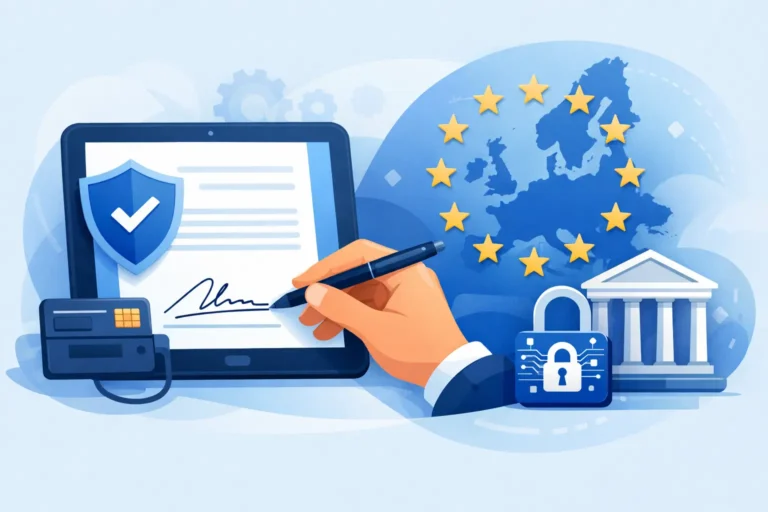
An advanced electronic signature, often shortened to AES, is a type of electronic signature defined under eIDAS. It sits above a simple electronic signature in terms of security and evidential strength, but below a qualified electronic signature, which has the highest formal assurance level under the regulation.
In practical terms, AES is designed to do four things. It must be uniquely linked to the signer, capable of identifying the signer, created using signature creation data that the signer can use under their sole control, and linked to the signed data so that any later change can be detected. Those four conditions are what make it more than a basic click-to-sign process.
What is advanced electronic signature under eIDAS?
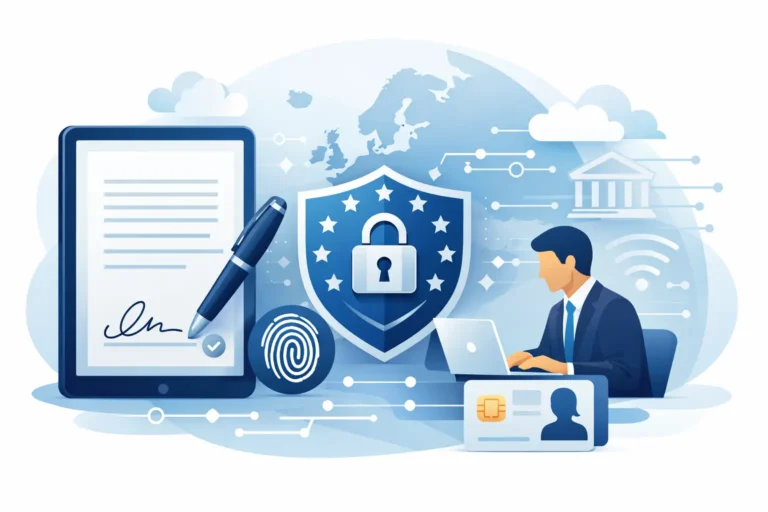
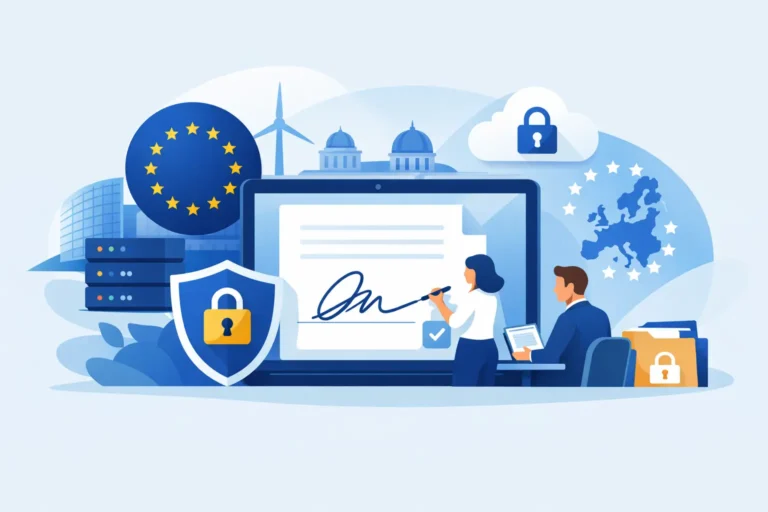
Under the EU eIDAS framework, electronic signatures are not all treated the same. The regulation distinguishes between simple electronic signatures, advanced electronic signatures and qualified electronic signatures. That distinction matters because businesses often assume any digital signature platform gives them the same legal and evidential footing. It does not.
A simple electronic signature can be enough for low-risk documents. That could include a typed name at the end of an email, a basic click-to-accept action, or a standard online signature process with limited identity checks. It is still legally relevant, but if the signature is challenged, proving who signed and what exactly they agreed to can be harder.
An advanced electronic signature adds stronger controls around signer identity, signature creation and document integrity. It gives you a better evidence position if a document is disputed. For many SMEs and professional teams, that makes it a sensible middle ground – stronger than basic signing, but without the added cost and formality that often comes with qualified signatures.
How an advanced electronic signature works in practice
From a business user’s point of view, AES should not feel technical. The compliance layer works in the background, while the workflow stays straightforward.
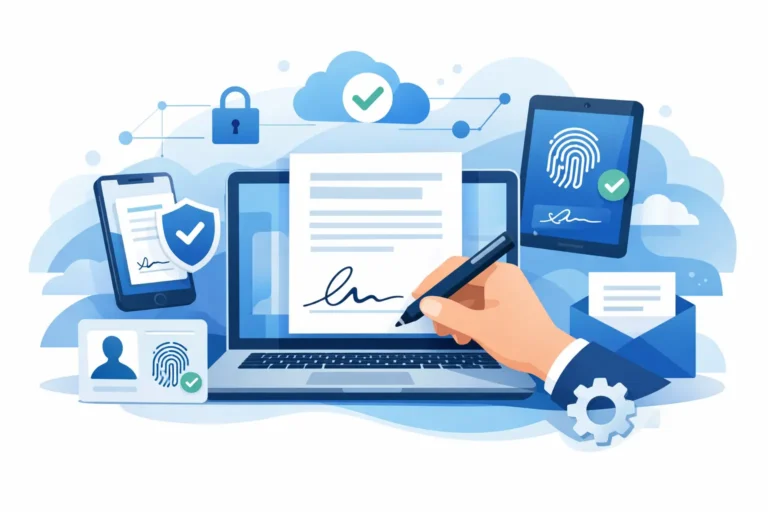
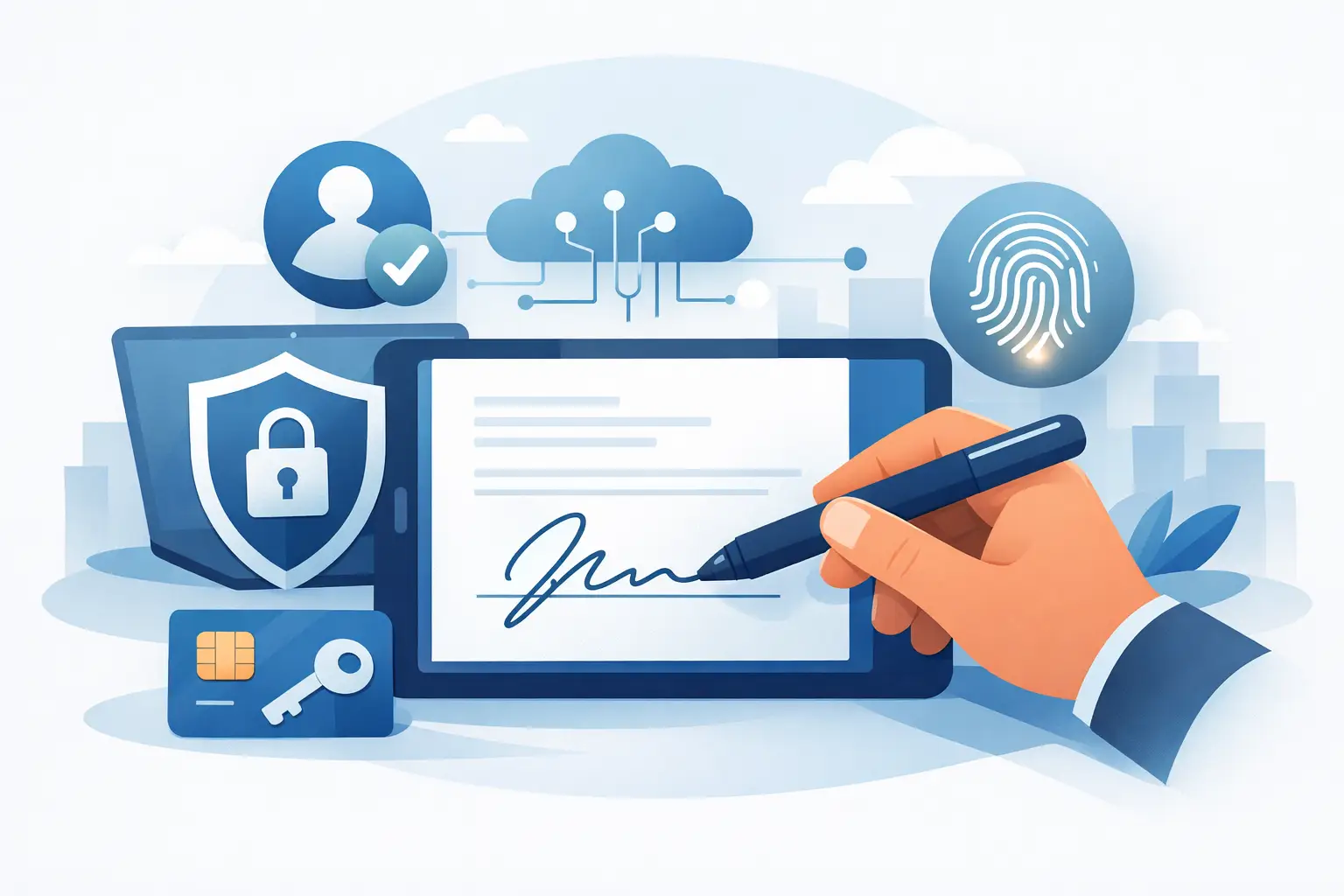
A typical AES process involves sending a document through a signing platform, identifying the signer through one or more verification methods, applying the signature using controlled cryptographic processes, and generating an audit trail that records what happened. That record may include timestamps, IP data, document hashes, signer actions and evidence of the authentication method used.
The key point is not that a person scribbled something on a screen. The key point is that the platform can connect the signature to a specific person and a specific version of the document, with evidence that changes after signing would be detectable.
That distinction becomes important in finance, HR, procurement, legal operations and regulated approvals, where the document itself may be routine but the consequences of a dispute are not.
Why businesses choose AES instead of basic e-signing
For many teams, simple electronic signatures are fine until they are not. The risk usually appears later – when someone denies signing, claims the file was altered, or argues that the process did not properly identify them.
AES reduces that uncertainty. It gives businesses stronger proof around signer identity and document integrity without making every signature workflow cumbersome. That is especially useful for growing organisations that handle repeat contracts, employee paperwork, customer onboarding, approvals and policy sign-offs at volume.
There is also a practical cost issue. Some platforms price advanced signatures as a premium event, which can make teams reluctant to use them consistently. That often leads to a patchwork process where only certain documents get stronger protection. Operationally, that is not ideal. If a business decides AES is the right standard for a category of documents, it should be able to apply it predictably.
When is advanced electronic signature the right choice?
The honest answer is that it depends on the document, the risk profile and the legal context.
AES is often a good fit when you need stronger evidence than a basic signature, but do not necessarily require the highest formal level of assurance. Common examples include employment agreements, supplier contracts, service agreements, NDAs, internal approvals, board consents, accountancy engagement documents and recurring commercial paperwork.
It is particularly helpful when multiple people need to sign, when documents move across departments, or when teams need a clear audit trail for compliance purposes. In those cases, the value of AES is not just the signature itself. It is the controlled process around the signature.
That said, some documents may call for a qualified electronic signature, or even non-digital formalities depending on local law and sector rules. Real estate, certain public sector processes and highly regulated transactions can have stricter requirements. The mistake is assuming one signature level fits everything.
Advanced electronic signature vs qualified electronic signature
This is where many buyers get stuck.
A qualified electronic signature, or QES, is an advanced electronic signature with additional requirements. It must be created using a qualified signature creation device and based on a qualified certificate issued by a qualified trust service provider. Under eIDAS, QES has a special legal effect equivalent to a handwritten signature across EU member states.
AES does not automatically carry that same presumption, but that does not mean it is weak or unsuitable. In many business scenarios, AES is entirely appropriate and legally effective. The question is whether your use case requires the extra formal status of QES, or whether strong identity linkage, tamper evidence and an audit trail are sufficient.
For most operational business documents, the decision comes down to balancing assurance, speed and cost. QES offers the highest formality. AES often offers the best operational fit.
What to look for in an AES platform
If you are choosing a platform for advanced signatures, the legal label alone is not enough. You need to understand how the provider supports the underlying compliance requirements in day-to-day use.
Look for clear evidence handling, document integrity controls, signer authentication options, timestamps, audit trails and transparent hosting and data handling practices. For European businesses, GDPR posture and data location can matter almost as much as the signature method itself, especially when employee, financial or client data is involved.
Workflow matters too. A compliant signature process that people avoid because it is too awkward will create its own problem. Templates, signing sequences, team permissions, status tracking and structured document management make a difference when documents move at scale.
This is one reason platforms such as Asignu focus on eIDAS-compliant workflows without enterprise clutter. For SMEs, the challenge is rarely understanding that compliance matters. The challenge is applying it consistently without slowing the business down.
Common misunderstandings about AES
One common misunderstanding is that advanced electronic signatures are only for large enterprises. They are not. Smaller businesses often have just as much need for evidential clarity, especially when a handful of contracts represent meaningful revenue or risk.
Another is that AES guarantees a signature can never be disputed. No signature method removes dispute entirely. What AES does is improve your evidence position by linking the signature more clearly to the signer and the signed document.
A third misconception is that all e-signature providers offer equivalent AES support. In reality, implementation quality varies. The legal concept may be standardised, but the operational controls, audit depth and identity methods can differ significantly between providers.
Why this matters for European teams
For companies working across the EU, consistency matters. Teams need to know when a document can be signed simply, when advanced assurance is sensible, and when qualified signing is necessary. Without that clarity, businesses either overcomplicate everyday work or under-protect important agreements.
AES is useful because it sits in the practical middle. It supports legally serious business processes without requiring every signature to become a special event. For HR, finance, legal and operations teams, that balance is often exactly what is needed.
If you are reviewing your document workflows, the useful question is not whether digital signing is acceptable. It is whether the level of evidence matches the importance of the document. Get that right, and signing becomes less of a bottleneck and more of a controlled, reliable business process.
The best signature process is usually the one people actually use properly – with the right level of assurance built in from the start.