Choosing HR document signature software
An offer letter goes out late, a contract comes back without the right initials, a policy update sits unopened in someone’s inbox, and payroll is waiting on a signed starter form. This is usually the point where HR document signature software stops being a nice-to-have and becomes part of basic operational control.
For HR teams, the issue is not only getting a signature. It is proving who signed, when they signed, what version they signed, and whether the process stands up if a dispute appears six months later. That matters even more for European businesses handling employee data, cross-border teams and regulated employment workflows.
What HR document signature software should actually solve
A surprising number of tools can place a signature box on a PDF. That is the easy part. The harder part is managing the full HR workflow around the document.
In practice, HR needs software that reduces admin without creating legal uncertainty. That means being able to send contracts, onboarding packs, policy acknowledgements, probation letters, salary change documents and offboarding paperwork in a controlled way. It also means tracking status, setting signing order, storing the final file with an audit trail and finding it again quickly when someone in legal, payroll or management asks for it.
If the software only handles the moment of signing, HR still ends up patching the rest together manually. That usually leads to duplicate files, unclear document versions and too much time spent chasing people.
The compliance question behind HR document signature software
For European employers, compliance is not a side issue. It is one of the main buying criteria.
Employment documents often contain sensitive personal data, and some carry higher legal or evidential importance than others. A basic acknowledgement for an internal policy may not require the same level of assurance as a formal contract amendment or a document that could later become part of a dispute. That is why it helps to choose software that supports different signature levels rather than forcing every HR use case into one rigid model.
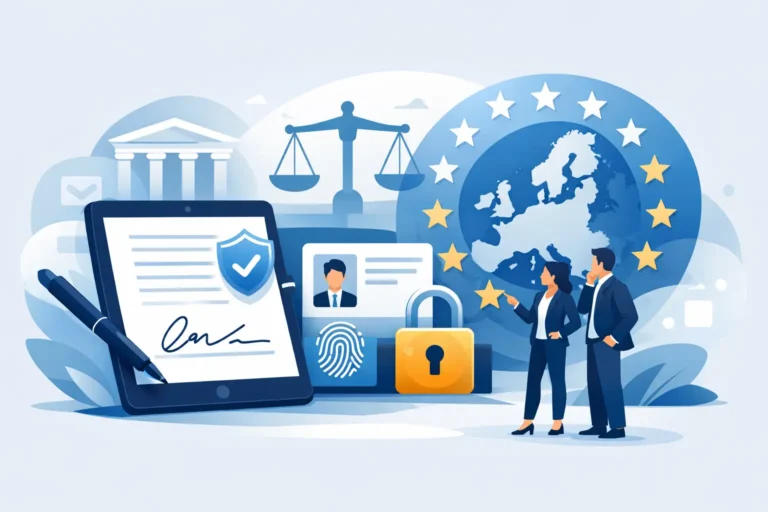
Under eIDAS, businesses in the EU can work with Simple Electronic Signatures, Advanced Electronic Signatures and Qualified Electronic Signatures. The right option depends on the document, the risk level and internal policy. HR teams do not always need the highest-assurance route, but they do need a platform that allows them to apply stronger methods when necessary.
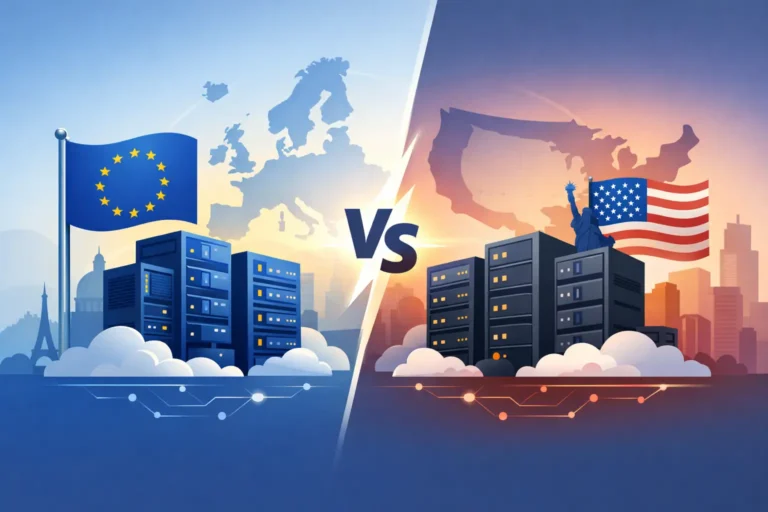
Data handling matters just as much. If your HR team is processing employee contracts, ID-related paperwork or sensitive internal records, GDPR questions arrive quickly. Where is the data hosted? Who can access it? How is the audit trail stored? Can you restrict visibility internally? These are practical buying questions, not legal theory.
The features that save HR time
The best HR document signature software tends to look less glamorous than sales demos suggest. What makes it useful is usually a set of quiet operational features that remove repetitive admin.
Templates are one of the clearest examples. If your team sends the same employment contract structure, probation review letter or policy acknowledgement every month, manually rebuilding documents each time is wasted effort. Good template workflows let HR standardise the document, pre-place fields and send it out consistently.
Signing sequences also matter more than many buyers expect. In HR, documents often need a clear order. A manager approves first, then the employee signs, then HR countersigns, or the order runs the other way round. If the tool cannot handle this cleanly, people start emailing separate copies back and forth, which defeats the point.
Status tracking is another practical requirement. HR should be able to see whether a document has been sent, opened, viewed, signed or is still waiting. Chasing signatures without visibility turns a simple process into guesswork.
Then there is document organisation. A signature platform should not become another messy storage location. HR needs structured folders, clear naming, searchability and a reliable final record with timestamps and evidence attached.
AI can help here, but only if it removes friction rather than adding novelty. Automatic field detection and signature detection can speed up setup, especially when HR is working with many recurring forms. Used well, this shortens sending time and cuts the chance of placing fields incorrectly.
Where businesses often choose the wrong tool
A common mistake is buying for generic e-signature needs rather than HR-specific workflows. The platform may work well for occasional sales agreements but become awkward when used for high-volume employee paperwork.
Another mistake is focusing only on price per signature. That can look attractive until HR starts sending contracts at scale, onboarding in batches or needing advanced signature levels for repeated use. At that point, a pricing model that charges extra for stronger signature types can make routine HR processes more expensive than expected.
The opposite mistake is overbuying enterprise software. Many SMBs and growing teams end up with a platform built for global procurement departments rather than practical HR use. They pay for layers of complexity they will never use, while everyday tasks remain slower than they should be.
For most organisations, the better fit is a tool that covers the legal and workflow essentials properly, without turning document signing into a systems project.
How to assess HR document signature software properly
Start with your actual document types. List the documents HR sends most often, then separate them by frequency and risk. High-volume recurring paperwork needs speed and templates. Higher-risk documents need stronger identity and evidence options.
Next, test the internal workflow, not just the signature box. Can HR prepare a document quickly? Can managers be added in the right order? Can reminders be automated? Can signed files be located easily six months later? These questions reveal more than a polished demo ever will.
It is also worth checking how the platform handles legal evidence. You should be able to see a clear audit trail showing actions, timestamps and document history. If a signature is ever challenged, that record matters.
Finally, review hosting and compliance posture with the same seriousness as features. For many European companies, EU-only hosting, GDPR-conscious design and clear support for eIDAS-aligned workflows are not optional extras. They are part of the reason to move away from paper and scattered email approvals in the first place.
Why simplicity matters more than feature volume
HR software procurement often gets pulled towards long feature lists. In reality, most teams need a system people will use correctly every time.
That means a straightforward send-sign-track workflow, clear permissions, reliable templates and sensible compliance options. It also means avoiding bloated interfaces that confuse occasional users such as hiring managers or department heads who only sign documents now and then.
There is a commercial angle here as well. Every extra step in the process costs time. Every unclear status update creates follow-up work. Every missing document record creates risk. Simplicity is not about reducing capability. It is about reducing avoidable friction.
For European SMBs and growing companies, this balance is particularly important. They often need stronger legal assurance than basic consumer-grade signing tools can offer, but they do not want enterprise overhead. A platform such as Asignu is built around that middle ground – practical document workflows, legally valid electronic signatures across the EU, and compliance depth without unnecessary complexity.
When advanced signatures are worth it in HR
Not every HR document needs the same level of signature assurance, and pretending otherwise usually leads to either overcomplication or underprotection.
For routine acknowledgements, a simple method may be enough if it aligns with your internal policy and legal assessment. For employment contracts, contract amendments or documents where identity and evidential strength matter more, Advanced Electronic Signatures can be a sensible choice. In some cases, particularly where local legal expectations or higher-assurance identity checks apply, Qualified Electronic Signatures may be the right route.
The practical point is flexibility. HR should not have to switch platforms or create workarounds every time the required signature level changes. The best setup gives the team one controlled process with different assurance options available when needed.
The real business case
The value of HR document signature software is often framed as speed. That is true, but incomplete.
The stronger business case is control. Fewer missing documents. Fewer version errors. Faster onboarding. Better evidence. Less manual chasing. More confidence that signed records are stored properly and can be retrieved when payroll, legal or management needs them.
That is why the right platform tends to matter most in organisations that are growing, hiring across borders or formalising internal processes. Once document volume increases, weak signing workflows stop being a minor annoyance and start slowing the business down.
A sensible choice is not the tool with the most noise around it. It is the one that fits HR’s actual workload, supports the right signature levels, respects European compliance requirements and stays easy to manage as the organisation grows.
If your HR team is still piecing signatures together through inboxes, attachments and shared folders, the next improvement probably is not another reminder email. It is a signing process built to stand up to real operational pressure.